Sustainable Luxury Resorts sets the stage for this enthralling narrative, offering readers a glimpse into a story that is rich in detail and brimming with originality from the outset. Dive into the world of opulent yet environmentally conscious travel destinations.
Explore the fusion of luxury and sustainability as we unravel the secrets behind these exclusive retreats that cater to the discerning traveler.
Sustainable Luxury Resorts
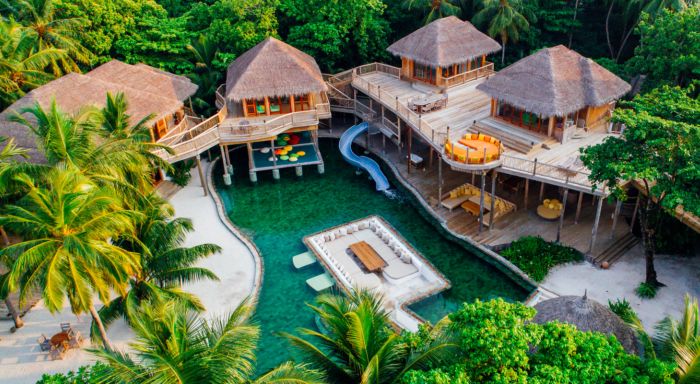
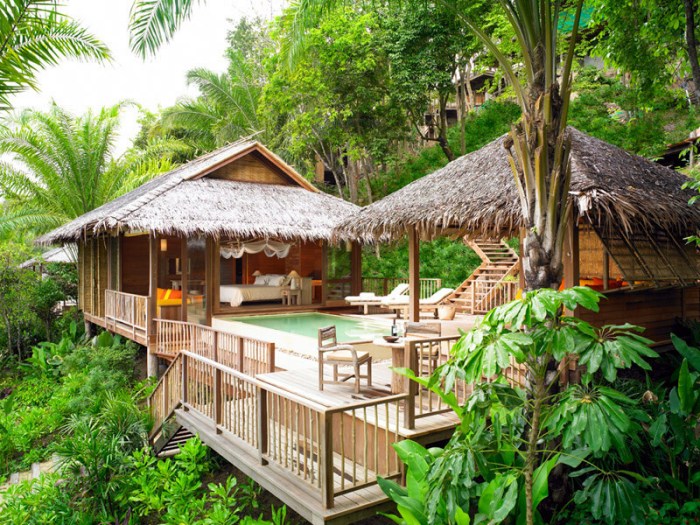
Sustainable luxury resorts are high-end hospitality establishments that prioritize environmental and social responsibility in their operations while offering premium services and amenities to guests.
The importance of sustainability in the luxury resort industry cannot be overstated. As travelers become more conscious of their environmental impact, there is a growing demand for eco-friendly and sustainable options in the hospitality sector. By adopting sustainable practices, luxury resorts can attract environmentally conscious guests, reduce their carbon footprint, and contribute to the preservation of natural resources for future generations.
Integration of Sustainable Practices
- Implementing energy-efficient technologies such as LED lighting, solar panels, and smart thermostats to reduce energy consumption.
- Using eco-friendly materials for construction and amenities, such as reclaimed wood, bamboo, and organic cotton.
- Minimizing water waste through the installation of low-flow fixtures, water recycling systems, and drought-resistant landscaping.
- Sourcing local and organic ingredients for restaurants to support local farmers and reduce the carbon footprint of food transportation.
- Engaging in community outreach programs, supporting local charities, and promoting cultural heritage conservation.
Examples of Sustainable Luxury Resorts
| Resort | Location | Sustainability Initiatives |
|---|---|---|
| Soneva Fushi | Maldives | Carbon-neutral operations, waste-to-wealth program, marine conservation efforts. |
| andBeyond Vira Vira | Chile | Organic farm-to-table dining, reforestation projects, sustainable tourism practices. |
| Emirates One&Only Wolgan Valley | Australia | 100% renewable energy, wildlife conservation, indigenous cultural experiences. |
Luxury Hotels
Luxury hotels are known for providing high-end amenities, personalized services, and an exclusive experience for their guests. These establishments cater to those seeking opulence, comfort, and sophistication during their stay.
Differentiating Luxury Hotels and Sustainable Luxury Resorts
Luxury hotels focus on offering lavish accommodations, gourmet dining options, spa services, and other extravagant amenities to create a luxurious experience for guests. On the other hand, sustainable luxury resorts prioritize eco-friendly practices, conservation efforts, and a commitment to environmental and social responsibility while still providing a high level of comfort and luxury.
Key Features of Luxury Hotels
- Opulent accommodations with high-quality furnishings and luxurious amenities
- Exceptional personalized service to cater to the needs and preferences of guests
- Fine dining options with gourmet cuisine and premium beverage selections
- Luxurious spa facilities offering a range of wellness treatments and relaxation services
- Exclusive access to amenities such as pools, fitness centers, and entertainment venues
Services and Amenities Comparison
Luxury hotels typically offer extravagant services such as personalized butler service, chauffeur-driven cars, exclusive access to private clubs, and curated experiences like private tours and events. Sustainable luxury resorts, on the other hand, focus on eco-friendly practices like energy conservation, waste reduction, organic and locally sourced dining options, and activities centered around nature and cultural immersion.
Target Market Comparison
The target market for luxury hotels often includes affluent travelers, business executives, celebrities, and high-net-worth individuals seeking a lavish and indulgent experience. Sustainable luxury resorts attract environmentally conscious travelers, nature enthusiasts, wellness seekers, and guests looking for a more immersive and eco-friendly vacation experience. The target market for sustainable luxury resorts is typically more focused on sustainability, environmental awareness, and social responsibility.
Luxury Resorts
Luxury resorts are high-end accommodations that provide superior services, amenities, and experiences to guests seeking a lavish and exclusive getaway. These resorts are known for their exceptional hospitality, personalized attention to detail, and extravagant facilities.
Evolution of Luxury Resorts
Luxury resorts have evolved over the years to cater to the increasing demand for upscale travel experiences. Initially, luxury resorts were primarily exclusive to the wealthy elite, offering opulent accommodations and extravagant services. However, in recent years, luxury resorts have become more inclusive, welcoming a wider range of guests looking for a luxurious retreat.
- Integration of sustainable practices: Many luxury resorts have embraced sustainability by implementing eco-friendly initiatives, such as renewable energy sources, water conservation programs, and locally sourced materials.
- Focus on wellness and relaxation: Modern luxury resorts often prioritize wellness programs, spa treatments, and fitness activities to cater to guests’ holistic well-being.
- Cultural immersion: Luxury resorts now offer immersive experiences that allow guests to connect with the local culture, traditions, and cuisine of the destination.
Popular Destinations for Luxury Resorts
Luxury resorts can be found in various exotic locations around the world, with some of the most popular destinations including:
- The Maldives: Known for its overwater bungalows, pristine beaches, and crystal-clear waters, the Maldives is a top choice for luxury travelers seeking a tropical paradise.
- Santorini, Greece: Famous for its stunning sunsets, white-washed buildings, and breathtaking views of the Aegean Sea, Santorini offers a luxurious escape in a picturesque setting.
- Bora Bora, French Polynesia: With its turquoise lagoon, lush landscapes, and exclusive overwater villas, Bora Bora is a dream destination for those looking for ultimate luxury.
Contribution to Local Economies and Tourism
Luxury resorts play a significant role in boosting local economies and promoting tourism in their respective destinations. By attracting affluent travelers from around the world, luxury resorts create employment opportunities, support local businesses, and contribute to the overall economic growth of the region. Additionally, luxury resorts help showcase the cultural heritage and natural beauty of the destination, attracting more visitors and enhancing the tourism industry’s sustainability.
Luxury Travel
Luxury travel is a segment of the tourism industry that caters to individuals seeking high-end experiences, exclusive amenities, and personalized services. It goes beyond just accommodation, focusing on providing unique and exceptional experiences for travelers who value comfort, luxury, and privacy.
Preferences of Luxury Travelers
Luxury travelers prioritize comfort, exclusivity, and personalized services when choosing accommodations. They often look for high-end amenities, such as private pools, spas, fine dining options, and top-notch customer service. Privacy and seclusion are also key factors for luxury travelers, who seek a peaceful and relaxing environment during their stay.
- Private villas with personalized butler service
- Exclusive access to luxury experiences, such as private yacht tours or helicopter rides
- Fine dining options with Michelin-starred chefs
- High-end spa facilities offering luxurious treatments
Luxury Travel Experiences
Luxury travel experiences go beyond just luxurious accommodations. They include unique activities, exclusive access to cultural events, and personalized services that cater to the individual needs and preferences of luxury travelers. For example, luxury travelers may enjoy private tours of historical sites, wine tasting experiences with renowned sommeliers, or exclusive access to VIP events and performances.
- Private tours of iconic landmarks with knowledgeable guides
- Culinary experiences with celebrity chefs
- Exclusive access to fashion shows, art exhibitions, and cultural events
- Customized wellness programs and fitness activities
Trends Shaping Luxury Travel
In the modern era, luxury travel is influenced by several trends that shape the preferences and expectations of luxury travelers. These trends include a growing interest in sustainable and eco-friendly travel, a focus on wellness and well-being experiences, an emphasis on unique and authentic cultural experiences, and the rise of technology in enhancing the overall travel experience for luxury travelers.
- Increasing demand for sustainable luxury resorts and eco-friendly accommodations
- Rise of wellness retreats and spa-focused travel experiences
- Preference for authentic and immersive cultural experiences
- Integration of technology for personalized services and seamless travel experiences
In conclusion, Sustainable Luxury Resorts epitomize the perfect blend of lavish amenities and eco-friendly practices, paving the way for a more responsible approach to luxury travel. Experience the epitome of opulence with a conscience at these exceptional destinations.
Answers to Common Questions
What sets sustainable luxury resorts apart from traditional luxury resorts?
Sustainable luxury resorts prioritize eco-friendly practices, ensuring minimal environmental impact while still offering top-notch amenities.
How do sustainable luxury resorts contribute to local economies?
These resorts often support local communities through job creation, sourcing local products, and promoting sustainable tourism practices.
Are sustainable luxury resorts more expensive than traditional luxury resorts?
While initial costs may be higher due to eco-friendly initiatives, the long-term benefits and unique experiences often justify the premium prices.